On this page
Birth Control in the Philippines: Your Guide to Pills, Injectables, IUDs & More

Choosing birth control can feel overwhelming at first. Pills, injectables, implants, IUDs, mini pills—there are so many options, and most people just want one simple answer:
“Which one is right for me?”
The truth is, there’s no single “best” birth control for everyone. The right choice depends on your body, your lifestyle, your health history, and your future plans.
Some people want something they can take daily. Others prefer a “set it and forget it” option that lasts for years. Some want help with acne or painful periods, while others simply want reliable pregnancy prevention.
The good news? In the Philippines, there are now more contraceptive options available than ever before—and understanding them doesn’t have to be confusing.
First Things First: What Is Birth Control?
Birth control, also called contraception, refers to methods used to help prevent pregnancy.
Different methods work in different ways. Some stop ovulation, some block sperm from reaching the egg, some thicken cervical mucus, and others provide long-term protection through hormones or medical devices.
Some methods are temporary and reversible. Others are designed to last for years. A few are permanent.
The Most Common Birth Control Options in the Philippines
1. Birth Control Pills
For many Filipinas, birth control pills are the first method they hear about. They’re widely available, convenient, and commonly prescribed.
Most pills used in the Philippines are combined oral contraceptive pills, meaning they contain both estrogen and progestin hormones.
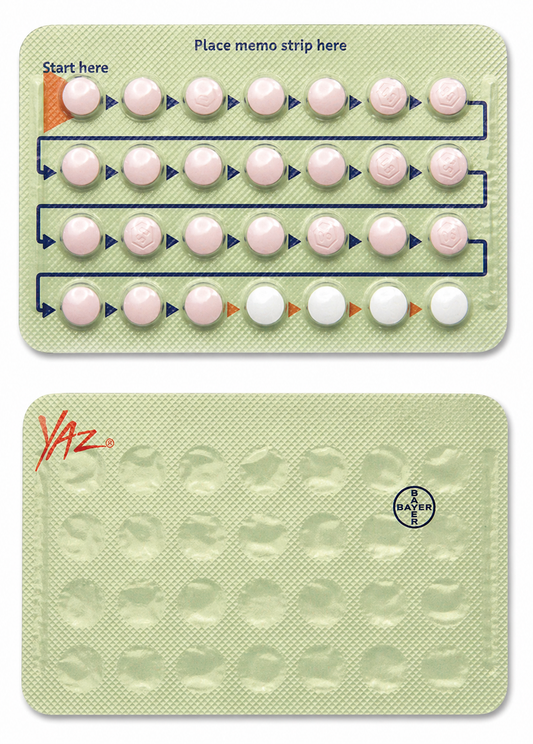
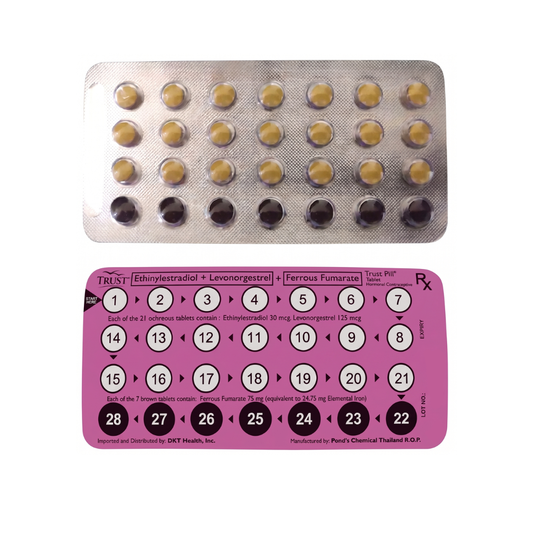
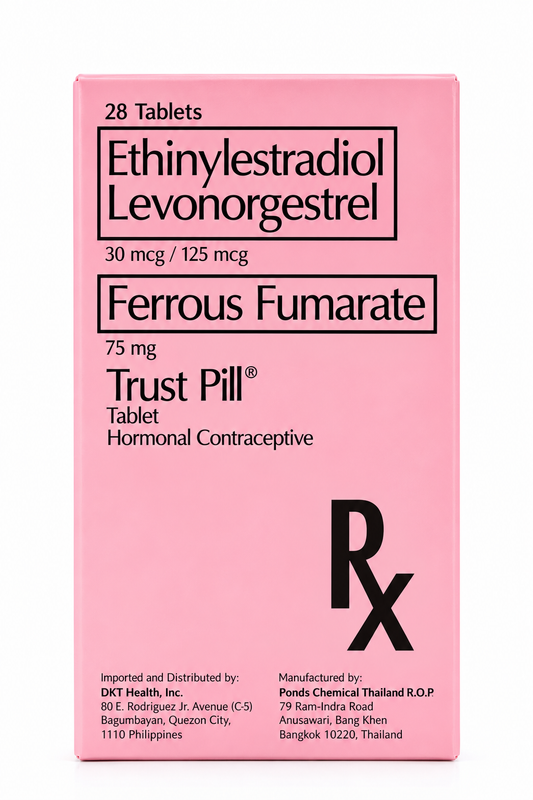
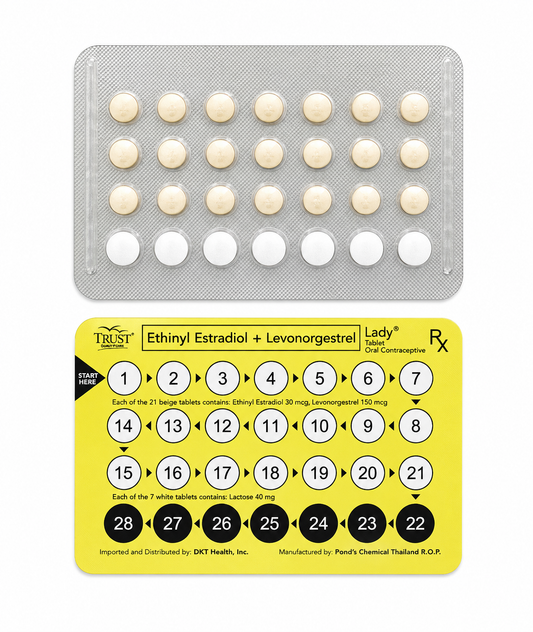
Common brands include Yaz, Althea, Diane-35, Marvelon, Lady, Trust Pill, and Micropil. For emergency contraception, see our guide to the Yuzpe method and talk to a doctor first.
Why Many People Like Pills
Aside from pregnancy prevention, pills may also help with painful periods, irregular cycles, acne, heavy bleeding, and hormonal symptoms.
The Catch?
You need to remember to take them consistently. Missing pills or taking them late can reduce effectiveness.
2. Mini Pills
Mini pills, also called progestin-only pills, are similar to regular birth control pills but do not contain estrogen.
One commonly known example in the Philippines is Daphne.
These may be considered for breastfeeding individuals, people sensitive to estrogen, or those who may not be ideal candidates for combined pills.
3. Injectable Contraceptives
Injectable contraceptives provide pregnancy protection for weeks or months at a time, depending on the type.
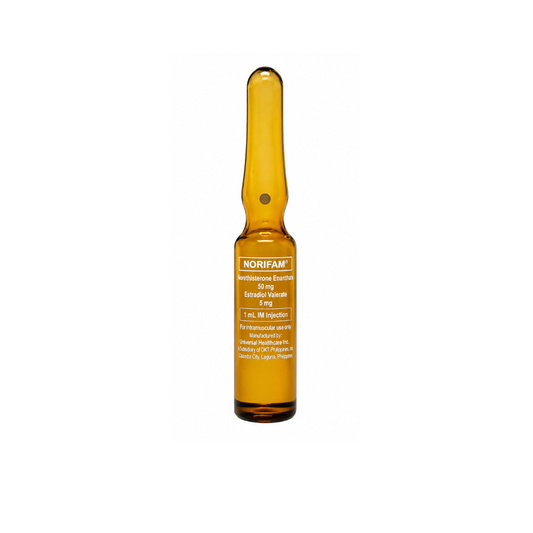
Common options include DMPA injections given every 3 months and monthly injectables such as Norifam.
Why Some Users Prefer Injectables
They are discreet, convenient, and do not require a daily pill routine.
Injectables can change menstrual patterns. Some users may experience irregular spotting, lighter periods, or no periods after some time.
4. Condoms
Condoms are simple, accessible, and still one of the most important birth control methods.
They can also be used together with another birth control method for added pregnancy protection.
5. IUDs
An intrauterine device, or IUD, is a small device inserted into the uterus by a trained healthcare professional.
There are two main types: copper IUDs and hormonal IUDs.
Copper IUDs are hormone-free and long-lasting. Hormonal IUDs release progestin and may help reduce heavy bleeding and cramps.
Once inserted, there is very little to remember, making IUDs one of the most effective reversible contraceptive options.
6. Implants
Contraceptive implants are small flexible rods inserted under the skin of the upper arm.
They slowly release hormones over time to help prevent pregnancy.
Implants are long-acting, reversible, highly effective, and low-maintenance.
7. Emergency Contraception
Emergency contraception may be used after unprotected intercourse, missed pills, broken condoms, or contraceptive failure.
8. Permanent Contraception
Permanent methods include tubal ligation and vasectomy.
These are highly effective but intended to be permanent, so proper counseling and careful decision-making are important.
So, Which Birth Control Method Is Best?
The best birth control is usually the one you can use consistently, safely, and comfortably.
Some people prioritize convenience. Others want help with acne, lighter periods, hormone-free options, privacy, or long-term protection.
That is why medical history and personal preference matter so much.
When Should You Talk to a Doctor?
You should seek professional guidance before starting prescription hormonal contraception, especially if you have migraines, high blood pressure, recently gave birth, are breastfeeding, smoke, or have a history of blood clots or cardiovascular disease.
Final Thoughts
Birth control is not just about preventing pregnancy. For many people, it is also connected to confidence, planning, relationships, menstrual health, and peace of mind.
Whether you are considering pills, injectables, implants, IUDs, or simply exploring your choices for the first time, informed decisions always start with accurate information and proper medical guidance.
Products Referenced in This Article
The following contraceptive products are available at NowExpress upon issuance of a valid prescription by a licensed Philippine physician.
- Trust Pill — Combination pill with iron supplement
- Lady — Combination pill for contraception
- Daphne — Progestin-only contraceptive pill
- Diane35 — Anti-androgen combination pill
- Marvelon 28 — Third-generation combination pill
- Micropil — Low-dose combination pill
- Althea — Combination pill for hormonal concerns
- Yaz — Drospirenone-based combination pill
- Depotrust — Injectable contraceptive (3-month)
- Norifam — Monthly combined injectable contraceptive
NowExpress connects patients to PRC-licensed physicians who assess each case and prescribe only FDA-approved medications appropriate for the patient's situation. Medications are dispensed and delivered discreetly.