On this page
Women’s Health Guide
Emergency Contraception in the Philippines: What Every Woman Should Know
Emergency contraception can help prevent pregnancy after unprotected sex or contraceptive failure. It is time-sensitive, doctor-guided, and intended only as a backup option, not as regular birth control.

Quick Summary
- Emergency contraception works mainly by delaying or preventing ovulation.
- It does not terminate an existing pregnancy.
- It should be used as soon as possible after unprotected sex.
- It does not protect against sexually transmitted infections.
- In the Philippines, physicians may use the Yuzpe method when appropriate.
What Is Emergency Contraception?
Emergency contraception, or EC, refers to methods used to help prevent pregnancy after unprotected sex or contraceptive failure. This may include condom breakage, missed birth control pills, delayed contraceptive injections, or incorrect contraceptive use.
EC works mainly by delaying or preventing ovulation. It does not terminate an existing pregnancy and is different from abortion.
When Might You Need Emergency Contraception?
Emergency contraception may be considered after:
- Unprotected sex
- Condom breakage, slippage, or leakage
- Missed birth control pills
- Delayed contraceptive injection
- Incorrect contraceptive use
- Sexual assault where pregnancy prevention is desired
Types of Emergency Contraception
Emergency Contraceptive Pills
These are often called “morning-after pills.” In countries where dedicated EC pills are available, they may contain levonorgestrel or ulipristal acetate.
In the Philippines, dedicated emergency contraceptive pills are not widely available, so physician-guided alternatives may be considered.
Copper Intrauterine Device
A copper IUD may be inserted by a trained healthcare provider within 5 days after unprotected sex. It is one of the EC options and can also provide long-term contraception.
Availability depends on clinic access, provider training, and individual medical suitability.
The Yuzpe Method in the Philippines

Because dedicated morning-after pills are not widely available in the Philippines, physicians may sometimes recommend the Yuzpe method. This method uses specific doses of regular combined oral contraceptive pills under medical supervision.
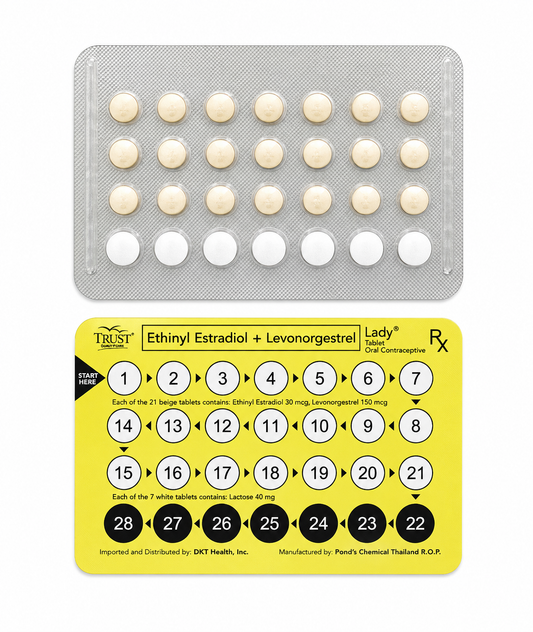
The Philippine Family Planning Handbook, 2023 Edition notes that certain combined oral contraceptives containing ethinyl estradiol and levonorgestrel may be used as emergency contraception when prescribed appropriately by a physician.
Why doctor guidance matters
The Yuzpe method should only be done with medical guidance to ensure correct dosing, appropriate timing, safety screening, and follow-up advice.
Important Reminders
Time-sensitive
Emergency contraception should be started as soon as possible after unprotected intercourse.
Not for routine use
EC is designed as a backup option and should not replace regular contraceptive planning.
No STI protection
Emergency contraception does not protect against STIs. Condoms remain important for STI prevention.
Side effects may occur
Mild nausea, vomiting, dizziness, fatigue, breast tenderness, spotting, or temporary menstrual changes may happen.
Pregnancy testing may still be needed
If your period is delayed by more than one week after the expected date, take a pregnancy test and consult a healthcare professional.
Common Misconceptions
“Emergency contraception is an abortion pill.”
False. Emergency contraception helps prevent pregnancy before it starts. It does not terminate an existing pregnancy.
“Emergency contraception can be used as regular birth control.”
Emergency contraception is for backup use only. If you need ongoing protection, speak with a healthcare provider about regular contraceptive options.
“Emergency contraception protects against STIs.”
False. Emergency contraception does not protect against sexually transmitted infections. Condoms are still needed for STI protection.
Planning for Ongoing Contraception
After using emergency contraception, it is helpful to discuss a more reliable long-term contraceptive method with a healthcare professional.
Depending on your medical history and preferences, options may include:
- Combined oral contraceptive pills
- Progestin-only pills
- Injectable contraception
- Intrauterine devices
- Implants
- Barrier methods
Related Products
The following products may be available at NowExpress upon physician review and approval:
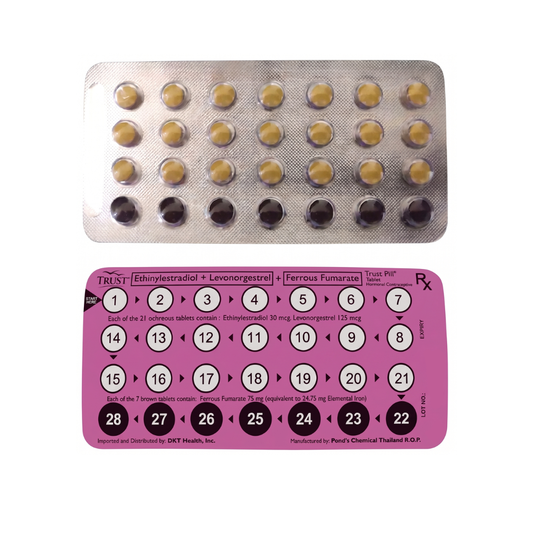
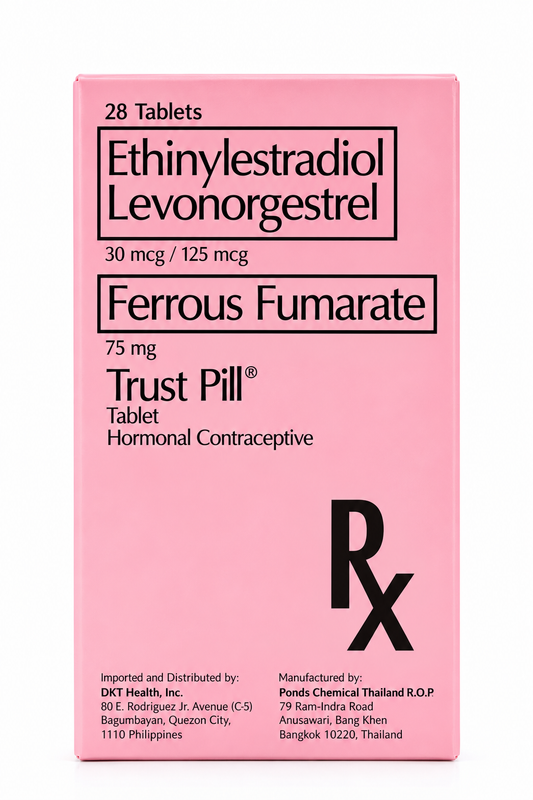
- Trust Pill : Combined oral contraceptive that may be used in physician-guided Yuzpe regimens.
- Lady : Combined oral contraceptive that may be considered by a physician for emergency contraception use.
- Daphne : Progestin-only contraceptive pill used for regular contraception.
NowExpress connects you with a licensed Philippine physician who will review your case and prescribe only FDA-approved contraceptives appropriate for your situation. Approved orders are fulfilled by licensed pharmacists and delivered discreetly to your doorstep.
Need guidance?
Emergency contraception is time-sensitive. If you believe you may need emergency contraception, consult a licensed physician as soon as possible for proper assessment and guidance.
All prescriptions are reviewed by PRC-licensed physicians and fulfilled by licensed pharmacists.
References
- Department of Health Philippines and WHO Western Pacific Region. Philippine Family Planning Handbook, 2023 Edition.
- World Health Organization. Emergency Contraception Fact Sheet.
Only for the treatment of conditions diagnosed by a physician.