On this page
Safe Sex Practices: Protecting Your Health and Your Future

Talking about sex can still feel uncomfortable for many people, but understanding safe sex practices is one of the most important steps in protecting your health, your partner, and your future. Whether you’re in a long-term relationship or exploring new connections, being informed helps you make responsible and confident choices.
What is Safe Sex?
Safe sex refers to actions and behaviors that reduce the risk of sexually transmitted infections (STIs) and unplanned pregnancies. It’s not just about protection, it’s also about communication, respect, and awareness.
Why Safe Sex Matters
Practicing safe sex helps:
Prevent STIs such as HIV, gonorrhea, chlamydia, and HPV
Avoid unplanned pregnancies
Promote trust and responsibility between partners
Support overall reproductive health
Ignoring safe sex can lead to serious health issues, some of which may have long-term effects if left untreated.
Common Safe Sex Practices
1. Use Protection Consistently
Condoms (male and female) help protect against both STIs and pregnancy when used correctly. Make it a habit, not an option.
2. Consider Birth Control Options
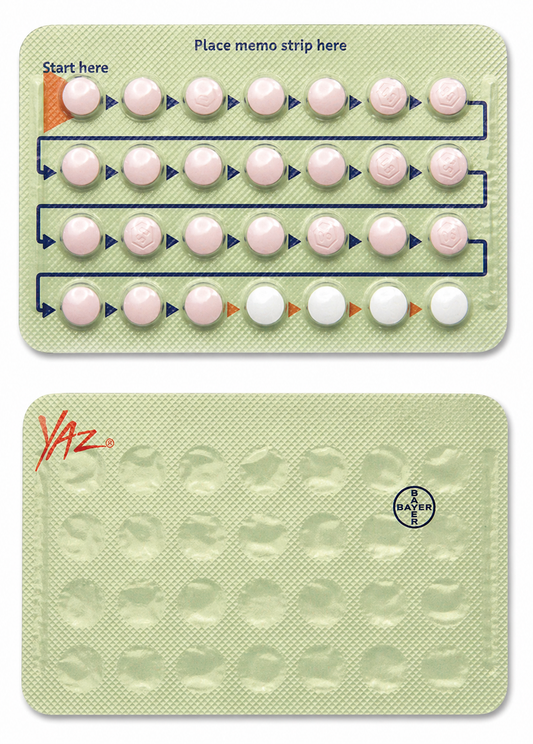
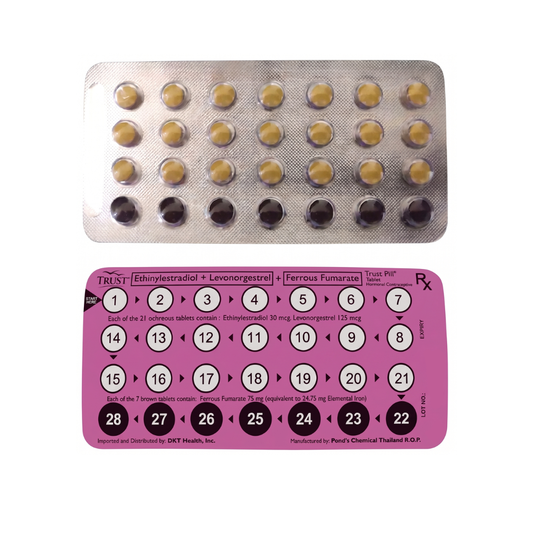
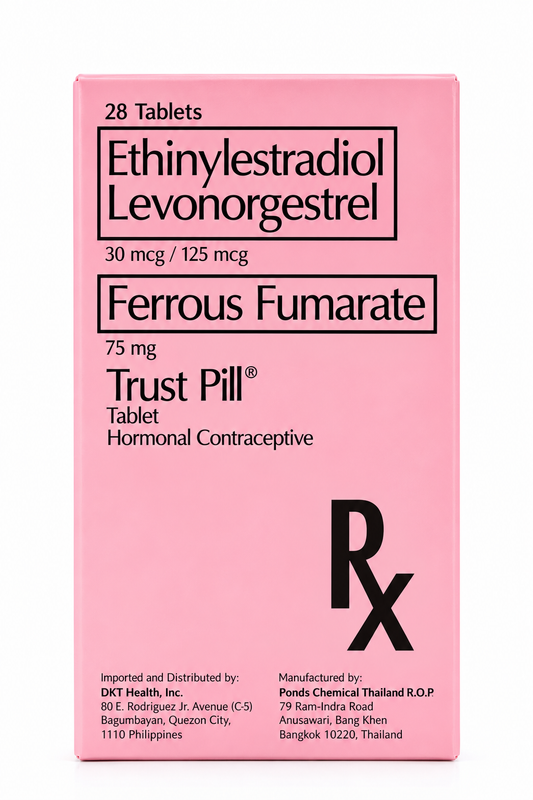
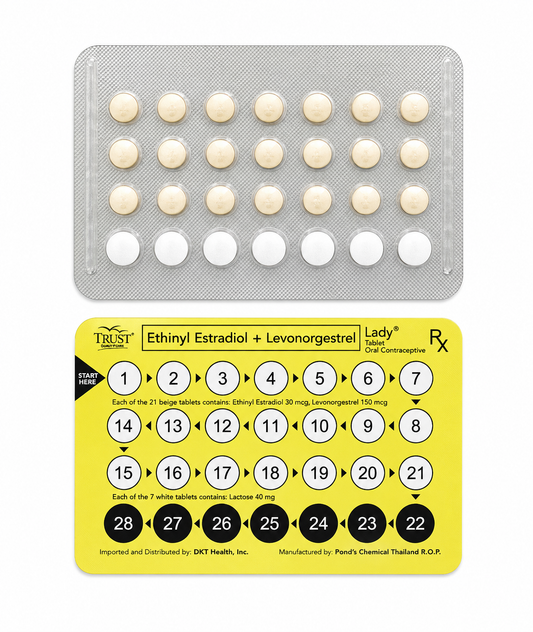
Aside from condoms, there are other contraceptive methods like pills, injectables, implants, and intrauterine devices (IUDs). These primarily prevent pregnancy but should ideally be combined with condoms for STI protection.
3. Get Regular Testing
Routine STI testing is essential, especially if you have multiple partners or a new partner. Many infections don’t show symptoms, so testing is the only way to be sure.
4. Communicate with Your Partner
Open and honest conversations about sexual history, protection, and boundaries build trust and reduce risks. It may feel awkward at first, but it’s a sign of respect and maturity.
5. Limit Number of Sexual Partners
Having fewer partners lowers your risk of exposure to infections. Mutual monogamy (both partners only having sex with each other) is one of the safest approaches.
6. Avoid Risky Behaviors
Alcohol and drugs can impair judgment and lead to unprotected sex. Staying aware and in control helps you make safer decisions.
7. Know About Emergency Contraception
If protection fails (like a condom breaking), emergency contraception can help prevent pregnancy when taken within the recommended time frame. However, it should not replace regular birth control.
Safe Sex is Also About Consent
Consent is a key part of safe sex. It must be:
Freely given
Clear and enthusiastic
Ongoing (can be withdrawn anytime)
Without consent, it’s not just unsafe, it’s unacceptable.
Breaking the Stigma
In many communities, including in the Philippines, discussions about sex are still considered taboo. But avoiding the topic only increases misinformation and risk. Education and open conversations empower individuals to take control of their health.
Final Thoughts
Safe sex isn’t about fear, it’s about responsibility and care. Taking small, consistent steps can make a big difference in protecting yourself and your partner. Being informed, prepared, and respectful ensures that your sexual health remains a priority.